Create game-ready assets, characters, and animations in Unreal Engine 5 and Unity.
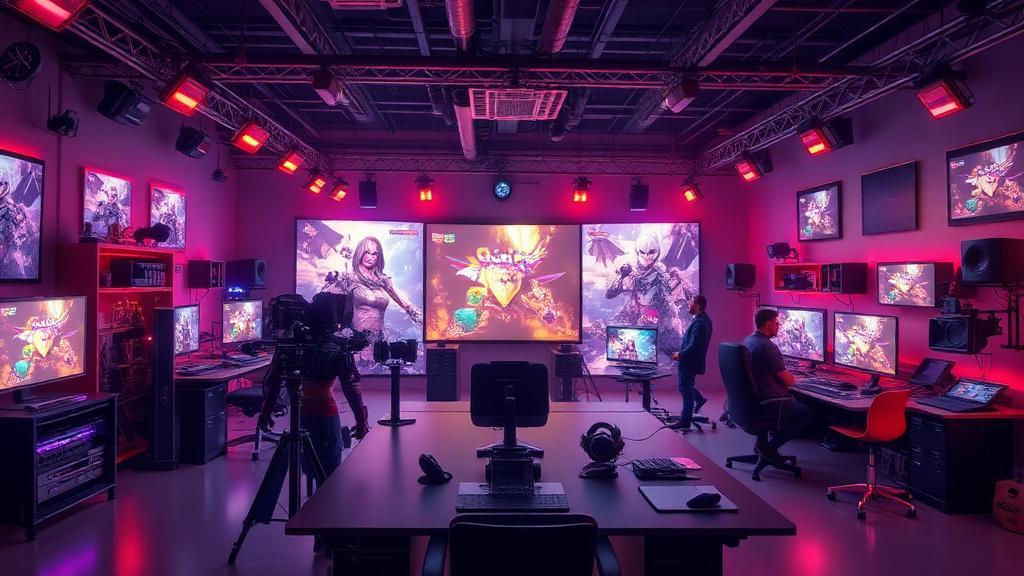
DigiAura's 3D Animation & Game Development course trains you in the complete game asset production pipeline — from modelling and texturing through rigging, animation, and real-time engine implementation. You will learn polygon budgeting and optimisation for real-time rendering, UV mapping and PBR texturing with Substance Painter, character rigging and skinning in Maya, game animation cycles (walk, run, combat, idle), and full asset implementation in Unreal Engine 5 and Unity. The gaming industry in India is growing rapidly — studios including Ubisoft, EA, Rockstar India, and dozens of mobile and indie studios are actively expanding their Chennai and broader Indian development teams. Game animation and 3D art skills are simultaneously transferable to virtual production, architectural visualisation, and VR experience development.
DigiAura's game development training focuses on Unreal Engine 5 — the leading engine for AAA game development and an increasingly essential tool for virtual film production. Students graduate with a playable game portfolio project and game-ready character assets demonstrating the real-time optimisation skills that game studio art directors specifically evaluate during hiring.
The global gaming industry demands highly skilled artists who not only understand 3D creation but also the unique technical constraints and real-time environments of modern game engines. This program provides the comprehensive training needed to excel in this dynamic field.
Create the worlds and characters of tomorrow. This program is designed for aspiring game developers and animators. You will learn the complete game asset pipeline, from 3D modeling and texturing to animation, rigging, and implementation in a real-time game engine like Unreal Engine.
This course is designed for aspiring game developers, 3D artists, and animators who want to specialize in the creation of interactive content. You will learn the entire journey of a game asset, from initial concept sculpt to its final, functioning state within a real-time environment. This dual focus ensures you graduate with both the artistic skill to create high-quality assets and the technical knowledge to implement them efficiently in a game engine.
This section focuses on the creative and technical demands of generating content optimized for game performance:
This section focuses on translating your art into functional, interactive elements within the game environment:
By the end of this program, you will have a comprehensive portfolio demonstrating your ability to design, animate, and successfully implement assets, positioning you for roles in environment art, character art, and technical animation within the booming game industry.
You will learn the complete game asset production pipeline: 3D modeling optimized for real-time engines, UV mapping and texturing for games using PBR workflows, character rigging and skinning for interactive characters, game animation (walk cycles, combat, idle states), and full implementation in Unreal Engine 5 or Unity. You will build a playable game or interactive demo as your portfolio project.
Film 3D assets prioritize maximum visual quality with no computational limit — a film character might have 10 million polygons. Game assets must be highly optimized for real-time rendering — typically from a few thousand to a hundred thousand polygons depending on platform. Game artists learn polygon budgeting, LOD (Level of Detail) systems, and efficient UV layouts that maintain visual quality within strict performance constraints. Both skill sets are valuable, but require different training approaches.
The course focuses on Unreal Engine 5 as the primary game development environment, with exposure to Unity. Unreal Engine 5 is the leading game engine for AAA game development, virtual production, and high-end interactive experiences, and is increasingly used in film pre-visualization and real-time cinematics. Proficiency in UE5 is among the most in-demand technical skills in both gaming and film industries.
Graduates can pursue careers as 3D Game Artist, Character Animator (games), Technical Animator, Level Designer, Rigging Artist, Cinematic Animator, or Junior Game Developer. The gaming industry in India is growing rapidly with studios like Ubisoft, EA, and numerous indie developers actively hiring. Skills are also transferable to architectural visualization, VR/AR experience development, and virtual production.
Yes. The 3D modeling, rigging, and animation skills taught in this course are highly transferable between gaming and film industries. Artists who understand both real-time optimization (for games) and high-fidelity rendering (for film) are particularly valuable in the growing virtual production sector, where game engine technology is used directly in film and television production. DigiAura will help you identify and target the right industry path based on your portfolio and interests.
